

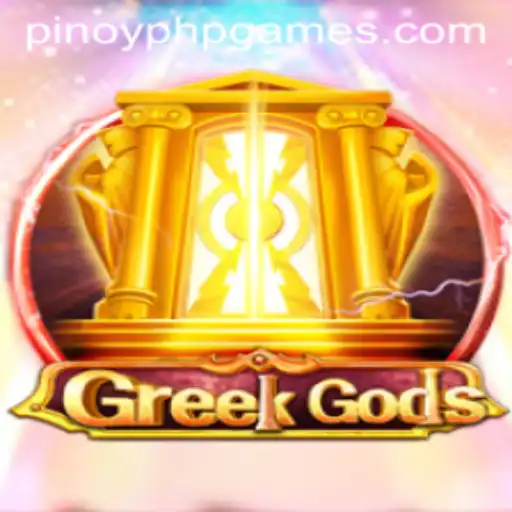
Explore the enthralling world of GreekGods, a PHP game where mythology and strategy come alive.
GreekGods: A Dive into the Mythical Realms of PHP Games
The world of online gaming is constantly evolving, with developers striving to deliver the most immersive and dynamic experiences possible. Among the myriad of gaming options available, GreekGods emerges as a fascinating choice for those interested in mythology-infused adventures combined with strategic gameplay. Developed using the popular programming language PHP, this game offers an engaging blend of history, culture, and skill. Here, we delve into the essence of GreekGods, providing an in-depth description of the game's unique features and rules, while also considering the current trends in the realm of PHP Games.
Introduction to GreekGods
The premise of GreekGods revolves around ancient Greek mythology, bringing to life the deities, heroes, and epic tales that have captivated audiences for centuries. Players embark on a thrilling journey, assuming the roles of divine beings from Mount Olympus, engaging in quests, battles, and diplomatic interactions. The game's backdrop is an exquisitely designed representation of classical Greece, replete with iconic landmarks such as the Parthenon, the Oracle of Delphi, and the labyrinth of Crete.
One of the standout features of GreekGods is its robust narrative framework. Each character is meticulously crafted, with backstories and motivations tied to authentic mythological lore. This not only enhances the depth of the game but also provides players with a rich tapestry of history to explore and interact with. The use of PHP in game development brings additional advantages, offering seamless server-side integration and an expansive ecosystem for developers to create modular and scalable game mechanics.
Gameplay and Mechanics
The gameplay of GreekGods is designed to be both engaging and challenging. Players start by selecting one of the famous gods or demigods, each having unique powers and attributes that influence the game dynamics. For instance, Zeus wields thunderbolts, providing an edge in combat situations, while Athena offers strategic advantages due to her wisdom and tactical insight.
The game is structured around a series of quests and challenges that test the player's strategic thinking and decision-making abilities. As players progress through the game, they accumulate resources, forge alliances with other gods, and unlock new abilities. The incorporation of HTML5 and CSS3 in the game's interface ensures a responsive and visually appealing experience, making the navigation intuitive across various devices.
A critical element of GreekGods is its multiplayer feature, allowing players to engage with others from around the globe. This aspect of the game enriches the experience, offering opportunities for competitive battles and collaborative quests. The PHP-based server architecture underlines this functionality, providing a robust framework for real-time interactions with minimal latency issues.
Rules and Objectives
The primary objective in GreekGods is to ascend to the status of Chief Deity, a title that requires strategic acumen and diplomatic prowess. The path to this honor is strewn with various objectives, ranging from accumulating divine influence to completing intricate missions that challenge one's intellect and skill.
To achieve success in GreekGods, players must adhere to several rules that govern the game's universe. Resources such as ambrosia, divine favor, and celestial points are crucial for progression and must be managed wisely. Players earn these resources through successful mission completion, participation in events, and winning battles.
A defining rule of the game is the concept of divine balance. Players must maintain equilibrium among the different gods by preventing any single deity from gaining overwhelming power. This delicate balance requires players to engage in strategic planning and form alliances with other deities, offering a layer of complexity that adds depth to the gaming experience.
Current Trends and Innovations in PHP Games
GreekGods exemplifies many of the current trends in PHP Games. As digital entertainment continues to evolve, developers are increasingly turning to PHP for its versatility and efficiency in creating online games that are both reliable and enjoyable. The language's ability to handle large databases and its flexibility in integrating with various APIs make it a popular choice for game development.
In addition to its technological appeal, GreekGods reflects broader trends in the gaming industry, such as the emphasis on storytelling and world-building. Players are no longer content with mere gameplay; they seek narrative depth and a sense of immersion that allows them to truly inhabit the game world. By tapping into the rich tapestry of Greek mythology, GreekGods delivers in this regard, transforming ancient tales into interactive experiences that resonate with modern audiences.
Another trend shaping the future of PHP Games is the focus on community engagement. GreekGods integrates social features that encourage interaction and collaboration among players, fostering a sense of community within the game's universe. This approach not only enhances user experience but also builds a loyal player base dedicated to exploring all the game has to offer.
The ever-evolving landscape of online gaming, bolstered by advances in technology and shifts in player expectations, continues to challenge developers to push the boundaries of creativity and innovation. GreekGods stands as a testament to these efforts, offering a rich, interactive experience that combines the allure of mythology with the strategic depth of a modern multiplayer game.




0 Comments